
Longevity
Longevity treatments for men over 50: Where to start
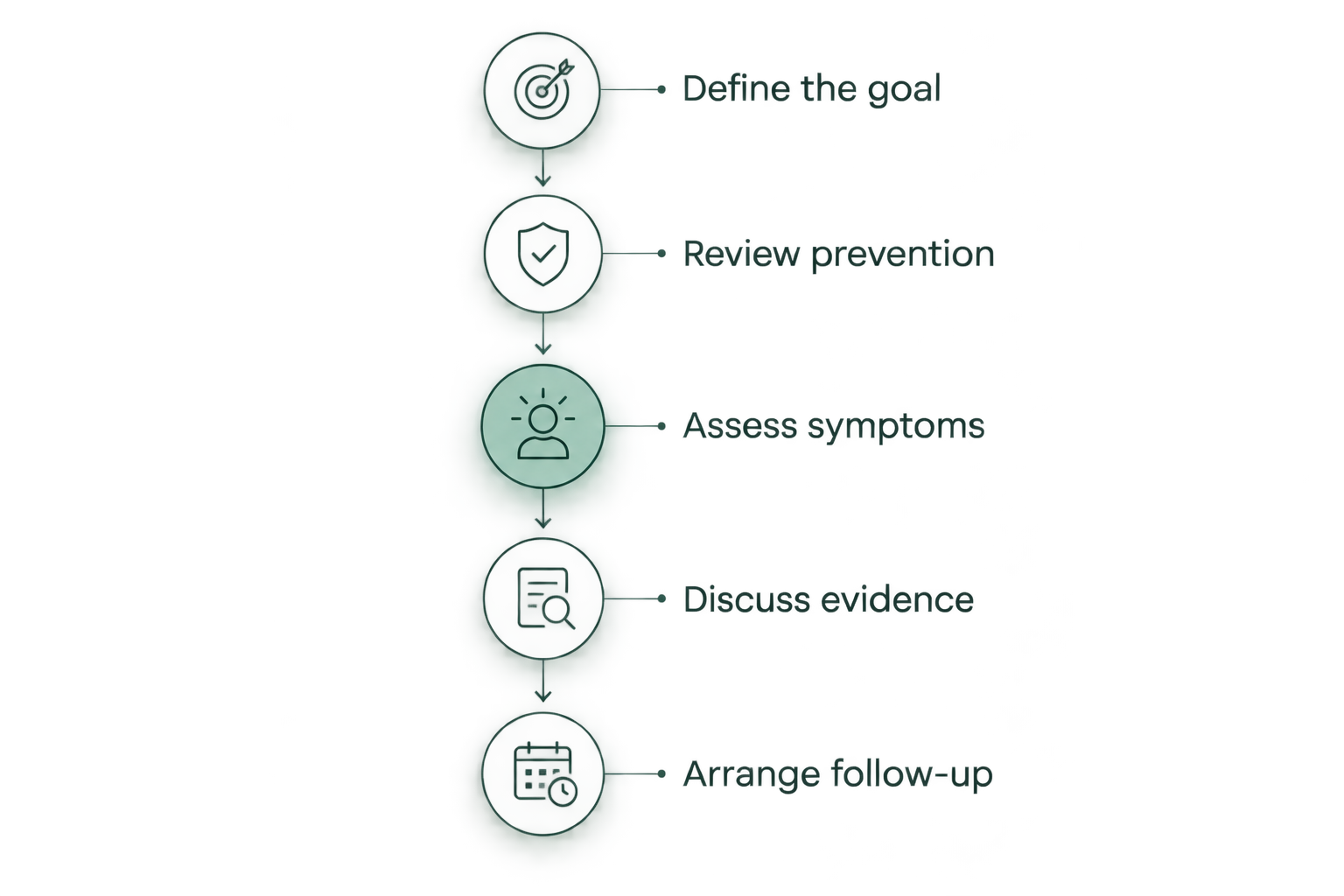
Want to stay strong, figure out why you're tired, or catch up on preventive care? Start with that goal before choosing a longevity treatment.

If you want to carry the groceries upstairs in one trip, strength training is a good place to start. If the same stairs have suddenly become exhausting, that's a change to tell your clinician about, not a reason to train harder. And if you feel fine but want to stay well after 50, check which preventive care you're due for before spending money on a longevity treatment.
Reviewer: Nathan Parker, PharmD.
If you want to stay strong, pick a task you care about
Maybe it's getting up from a low chair without pushing off with your hands. That's a useful goal because there's research on that very task. In a review of resistance training in older adults, people who gradually increased the resistance they worked against got stronger and could get out of a chair more quickly. They used weights, machines or exercise bands. The useful part wasn't a particular piece of equipment. It was giving the muscles a little more work as they got stronger.
Walking and strength work can fit in the same week. The U.S. physical activity guidelines recommend at least 150 minutes of moderate activity, such as brisk walking, and muscle-strengthening activity on at least two days a week. That's a goal to work toward, not a first-week assignment. If balance or joint pain makes a movement difficult, ask a clinician or physical therapist to help you choose a starting point. When you check your progress, go back to the chair, not just the number on the weight.
If you're tired, start with what changed
“I’m sleepy at my desk even after a full night in bed” gives your clinician a different clue than “I’m awake, but my usual walk wears me out.” Note when it started and whether it followed a change in medicine. Sleep disorders, anemia and some medicines are among the possible causes of fatigue. If it persists or starts limiting what you can do, make an appointment to look for the cause.
B12 replacement makes sense when you're short of B12. What caused the shortage matters: if your diet provides too little, tablets may fit; if you've had your entire stomach removed, B12 treatment guidance recommends lifelong injections into the muscle. If you're starting with tiredness rather than a diagnosis, our guide to testing before B12 injections explains what to bring. New numbness or trouble walking deserves prompt assessment rather than waiting to see if a vitamin helps.
Already have a prescription? The cyanocobalamin B12 injection listed on MintRx is a manufactured B12 product. Bring the name on your own label and your original results. A useful follow-up question is, “We treated my low B12. If I'm still tired, what else should we check?”
What about testosterone? The Endocrine Society's guidance for men calls for symptoms or signs that fit testosterone deficiency and consistently low levels, confirmed with a repeat morning fasting test. A birthday or one low result doesn't settle that question.
If you feel well, check what's due
Pull up your last colon cancer screening result. What test did you have, when was it done, and what follow-up was recommended? The U.S. colorectal cancer screening recommendation covers people ages 45 to 75 who have no symptoms and are at average risk. If a home stool screening test was positive, the next step is a colonoscopy, not another home kit.
Blood pressure is another place to look. If you haven't been diagnosed with hypertension but had a high reading at a routine visit, ask how to confirm it. Blood pressure screening guidance recommends readings outside the office to confirm a diagnosis before starting treatment. Finding out who will review those readings is more useful than paying for another set of numbers with no plan to act on them.
Before you buy an injection, ask what it was shown to do
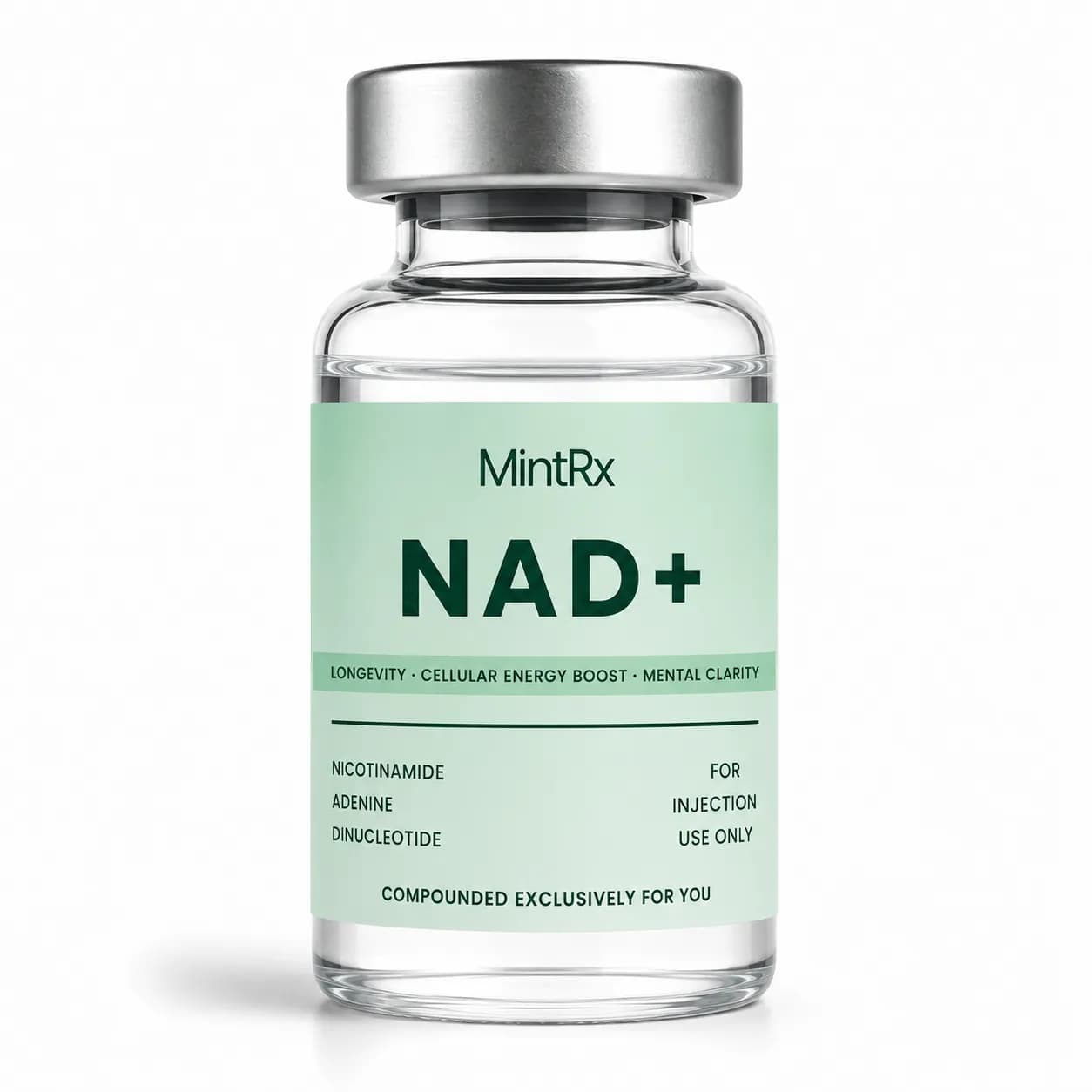
On the MintRx longevity page, you'll see B12 and NAD+ in the same category. That tells you where to find them, not that they do the same job. Take the at-home NAD+ injection: it goes under the skin. A small study of intravenous NAD+ followed what happened to NAD+ in blood and urine in healthy men ages 30 to 55. It didn't test whether the shot you take at home helps you climb stairs, feel less tired or live longer. If that's your goal, that study isn't a reason to buy the shot.
If you're weighing specific products, our comparison of B12, NAD+ and glutathione injections explains what each is used for. For anything injectable, ask which licensed pharmacy will dispense your prescription and who can answer questions about your vial. A vial marked “research use only” isn't a patient prescription.
Have a medication question before you decide? During care hours, call or text MintRx at 866-855-6468 to get a pharmacist on the line in minutes. Have your medicine and supplement labels handy. If the problem is afternoon fatigue, tell us when it started and what you take in the morning. We can check which medicines may make you sleepy and help you decide what to raise with your prescriber before you add anything. If you prefer a set time, you can schedule a pharmacist conversation.
FAQ
Can a few short walks count toward my weekly activity?
Yes. A brisk walk doesn't have to last ten minutes to count. If a short walk after lunch fits your day, start there and build from what you can repeat.
What if I already take B12 and my clinician wants to check my level?
Bring the bottle and tell your clinician how much you take and when you started. Supplements can raise the measured level, so a result taken now may tell a different story from one taken before treatment. Ask how to prepare rather than stopping a prescribed treatment yourself.
I'm over 75. How do I decide whether to keep screening for colon cancer?
Between 76 and 85, the decision depends on your health, previous screening and preferences. Someone who has never been screened may have more to gain than someone whose screenings are up to date. Bring the last report if you have it.
Sources
- Cochrane: Resistance training and physical function in older adults
- NICE: Diagnosing and treating vitamin B12 deficiency
- Endocrine Society: Testosterone therapy in men with hypogonadism
- U.S. Preventive Services Task Force: Colorectal cancer screening
- Grant and colleagues: What happens during an intravenous NAD+ infusion


